
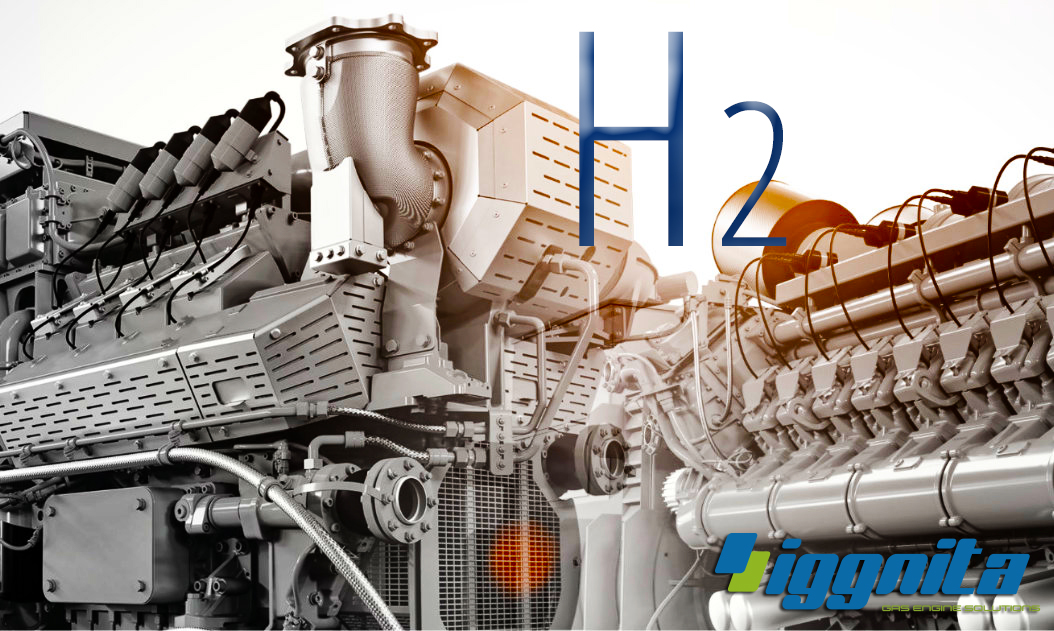
In recent years, there have been significant developments in the use of hydrogen gas in industrial gas engines. Hydrogen is considered a clean energy source and is viewed as part of solutions for a low-carbon future.
Is the Use of Hydrogen Gas in Gas Engines Possible?
The answer to this question is: Yes. The use of hydrogen gas in gas engines is theoretically feasible. Hydrogen can be used as a combustible fuel in gas engines. However, the utilization of hydrogen in gas engines brings some technical challenges and may require certain adaptations and conversions.
Let’s discuss some factors related to the use of hydrogen in gas engines.
Combustion Characteristics
The combustion properties of hydrogen are an important factor to consider for its use in gas engines. Hydrogen’s high combustion speed and wide combustion range require the engine design to accommodate these characteristics.
Emissions
Using hydrogen gas in gas engines provides low carbon emissions. The combustion of hydrogen produces only water vapor, which eliminates the negative environmental impact of gas engines. However, it should be noted that nitrogen oxide (NOx) emissions may increase during the combustion of hydrogen. Therefore, NOx emission control is also important in conjunction with the use of hydrogen in gas engines.
Engine Modifications
Some modifications to existing engines may be necessary for the use of hydrogen gas in gas engines. Changes may be required in components such as the fuel injection system, intake system, and ignition system. These modifications are crucial for the safe and efficient use of hydrogen.
The use of hydrogen gas in gas engines is still limited due to technical challenges and cost factors. However, hydrogen is expected to be further explored and developed in line with clean energy transition goals. Research and development efforts are contributing to the emergence of more suitable and efficient solutions for the use of hydrogen in gas engines.
Here are some industry developments regarding the use of hydrogen in industrial gas engines:
Electricity Generation
Hydrogen gas is gaining attention as an alternative in gas engines used for electricity generation, such as gas turbines and fuel cells. The combustion characteristics of hydrogen and its low carbon emissions make it a cleaner energy source compared to fossil fuels.
Transportation
The use of hydrogen holds significant potential, especially in the heavy transportation sector. Hydrogen fuel cell vehicles convert hydrogen into electrical energy to propel the vehicles, producing only clean byproducts like water vapor. The increase in the number of such vehicles has become a driving force for the industrial-scale production and distribution of hydrogen gas.
Liquefied Hydrogen (LH2)
The technology of liquefied hydrogen (LH2) for storage and transportation promotes the use of hydrogen in industrial gas engines. LH2 increases the density of hydrogen, reducing volume and transportation costs while allowing for longer storage periods. This facilitates the more efficient use of hydrogen and its integration into industrial applications.
Power Plants
The use of hydrogen gas in industrial gas engines shows notable developments in energy production facilities as well. The combustion characteristics of hydrogen can enhance the efficiency of gas turbines and reduce carbon emissions. Additionally, the integration of hydrogen gas with renewable energy sources can be a crucial strategy for energy storage and sustainable energy systems.
Infrastructure and Distribution
Developing infrastructure and distribution networks is essential for the more widespread use of hydrogen in industrial gas engines. New technologies and methods are being explored to reduce the costs of hydrogen production, storage, and distribution.
The industry developments regarding the use of hydrogen gas in industrial gas engines are part of the steps towards sustainable energy transition. The widespread use of hydrogen can contribute to the energy sector’s efforts to reduce carbon emissions and transition to clean energy. However, technical, economic, and political challenges must also be considered for the large-scale use of hydrogen.
