

We had a great time at the Energy-Generating Factories Summit with our motto, "Let No Cogen Go Unused!" A heartfelt…

Function of the Crankshaft in Gas Engines and Possible Failures
What is a Crankshaft? The crankshaft is a mechanical component located within the engine block that is used to convert…

Significant Developments in the Use of Hydrogen Gas in Industrial Gas Engines
In recent years, there have been significant developments in the use of hydrogen gas in industrial gas engines. Hydrogen is…
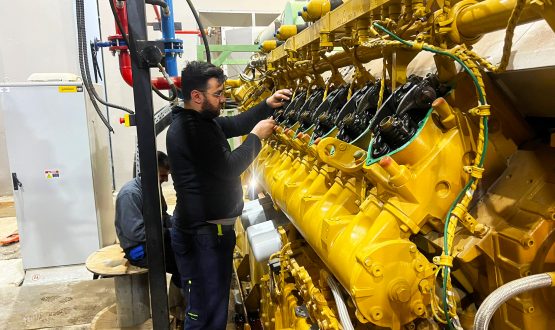
Maintenance of Industrial Gas Engines: Key Steps for Efficiency, Reliability, and Customer Satisfaction
Importance of Proper Maintenance in the Energy and Industrial Sectors If you operate in the energy or industrial sectors and…

Valve-Related Failures and Damages in Gas Engines
What is a Valve? Gas engines are a type of "internal combustion engine" that includes a complex system with valves.…
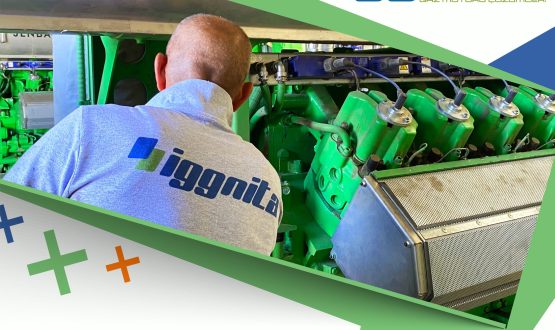
Maintenance Approaches for Industrial Gas Engines
In nature, everything renews itself. For instance, after a fire, a forest repairs itself, and trees grow back quickly. Or…

IGGNITA at the 27th ICCI – International Energy and Environment Fair
We have successfully concluded our participation in the 27th ICCI – International Energy and Environment Fair, held on May 24-25-26,…
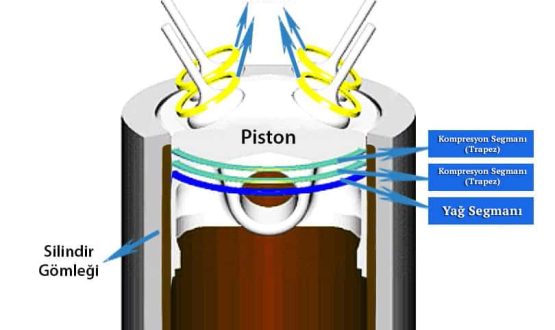
What is a Piston Ring? What Does It Do?
Piston Segmanı Nedir? Rings are essential components of internal combustion engines that are necessary for efficient engine operation. They…
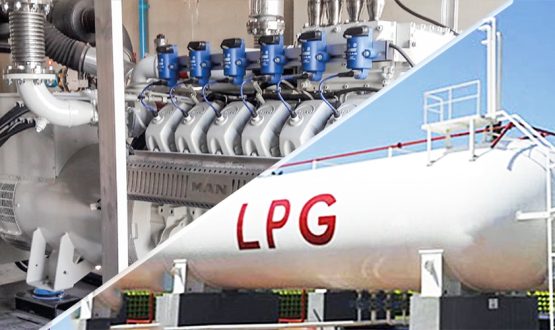
The Use and Conversion of LPG in Natural Gas Engines
In recent years, rising natural gas prices, the second-hand engine market, and changes in the YEKDEM regulation have prompted investors…
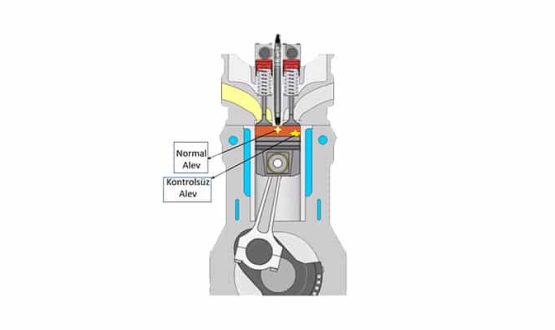
What is Engine Knock?
Definition of Engine Knock Engine knock refers to the phenomenon where the air-fuel mixture ignites spontaneously due to excessive localized…
